
01
Sourced Close to Home
Our journey begins with ingredients selected from trusted Philippine growers and suppliers.
Authentic Filipino goodness begins at the source.

Every ingredient has a story. Sun, soil, hands that care, and a kitchen that never takes shortcuts. Here's how your snack gets made.
Our journey begins with ingredients selected from trusted Philippine growers and suppliers.
Authentic Filipino goodness begins at the source.
Ingredients are carefully assessed for freshness, appearance, flavor, and suitability.
Better ingredients create better products.
Each ingredient is cleaned, prepared, and processed to preserve its flavor and character.
Traditional Filipino flavors, prepared for today.
Every batch follows established standards and quality-control procedures.
Carefully made. Consistently satisfying.
Our products are packed to protect their flavor, texture, aroma, and overall quality.
Freshness protected from production to purchase.
Through partners and channels nationwide and beyond, we deliver Filipino goodness everywhere.
From our home to markets everywhere.
Our products become part of everyday moments that bring people together.
Every product carries a story worth sharing.
Malunggay, scientifically known as Moringa oleifera, is a nutrient-rich plant widely used in traditional food and wellness practices. Research describes moringa as a source of naturally occurring bioactive compounds, including flavonoids, phenolic acids, glucosinolates, alkaloids, saponins, tannins, and other phytochemicals.
These plant compounds are often associated with antioxidant activity, plant-based nutrition, and functional food applications.
Studies also support moringa’s potential as a value-added ingredient in food, beverage, wellness, and product development. Reviews and laboratory analyses have reported the presence of bioactive compounds in Moringa oleifera leaves, further supporting its use as a meaningful plant-based ingredient for modern formulations.
At Orich, malunggay is used as a proudly familiar Filipino ingredient that reflects our commitment to creating products inspired by local resources, practical nutrition, and Philippine-made innovation.

"The most nutrient-dense plant on the planet — and it grows in our backyard."
Tap each fruit or vegetable to discover flavor notes, kitchen uses, and what makes Philippine produce special.
According to the National Center for Biotechnology Information (NCBI), Saba banana peel contains high amounts of dietary fiber, antioxidants, phenolic compounds, flavonoids, tannins, and vitamin C, making it a promising source of bioactive compounds with potential health benefits. These compounds exhibit antioxidant, anti-obesity, and cholesterol-lowering properties, suggesting that Saba banana peel can be utilized in developing functional foods and nutraceutical products while reducing agricultural waste.
Similarly, ScienceDirect emphasizes that Saba banana peel is a valuable agricultural by-product that can be transformed into sustainable food ingredients due to its nutritional composition and functional properties. Utilizing banana peel not only promotes better waste management but also creates additional economic opportunities for banana producers through value-added products.
Grown in Davao & Mindanao
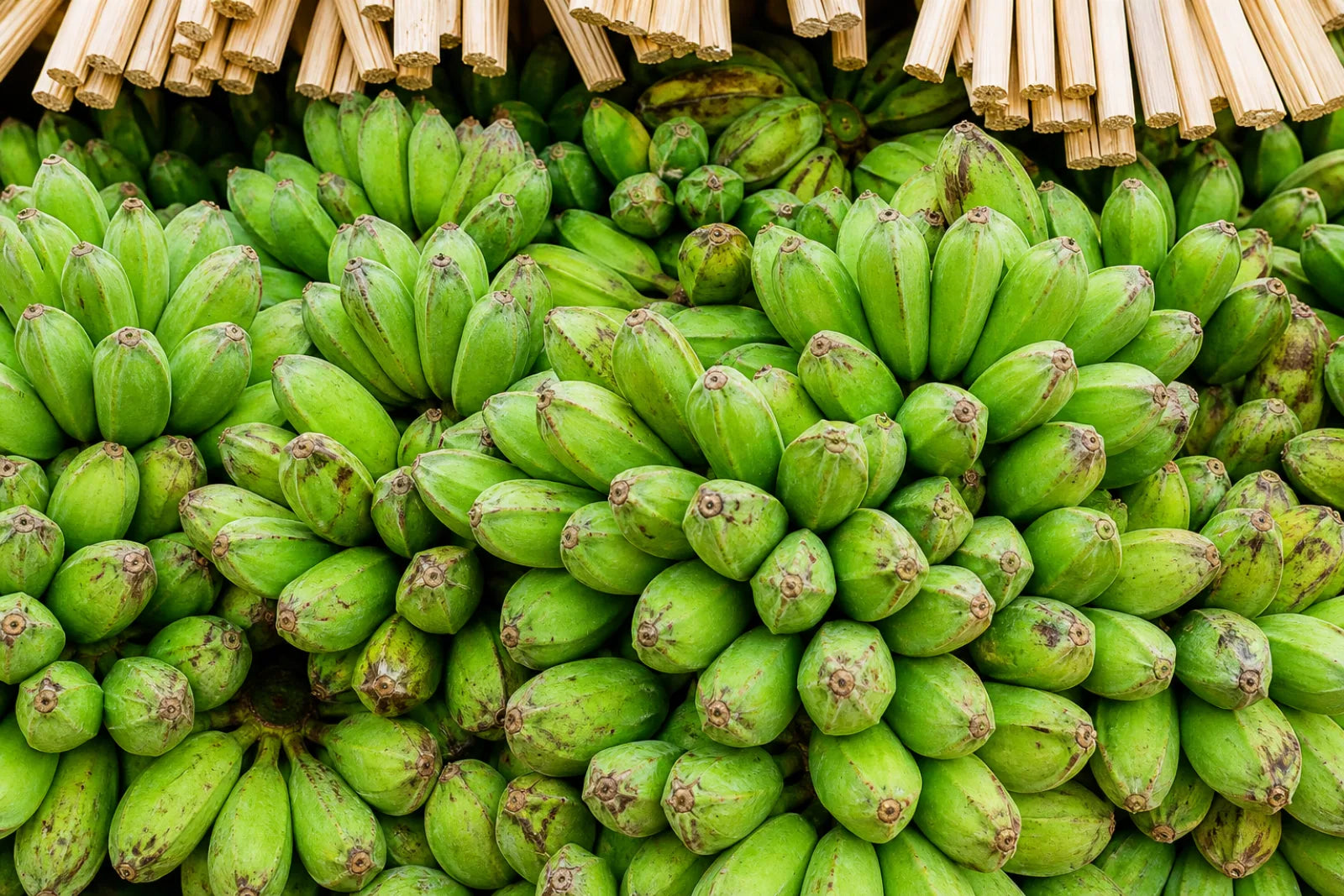
"From peel to plate — nothing goes to waste."
According to MedicineNet, sweet potatoes are highly nutritious root vegetables that provide dietary fiber, vitamin A, vitamin C, potassium, and antioxidants. These nutrients support eye health, strengthen the immune system, improve digestion, and contribute to heart health while helping reduce inflammation.
WebMD highlights that sweet potatoes contain antioxidants such as beta-carotene and anthocyanins, which help protect the body’s cells from damage caused by free radicals. Their high fiber content also promotes healthy digestion, supports blood sugar regulation, and contributes to better gut health.
Health.com explains that sweet potatoes are nutrient-dense foods rich in vitamins, minerals, and antioxidants that may help lower the risk of chronic diseases, improve immune function, and maintain healthy skin and vision. Their combination of fiber and complex carbohydrates also makes them a healthier option for sustained energy and overall wellness.
Philippine-grown camote
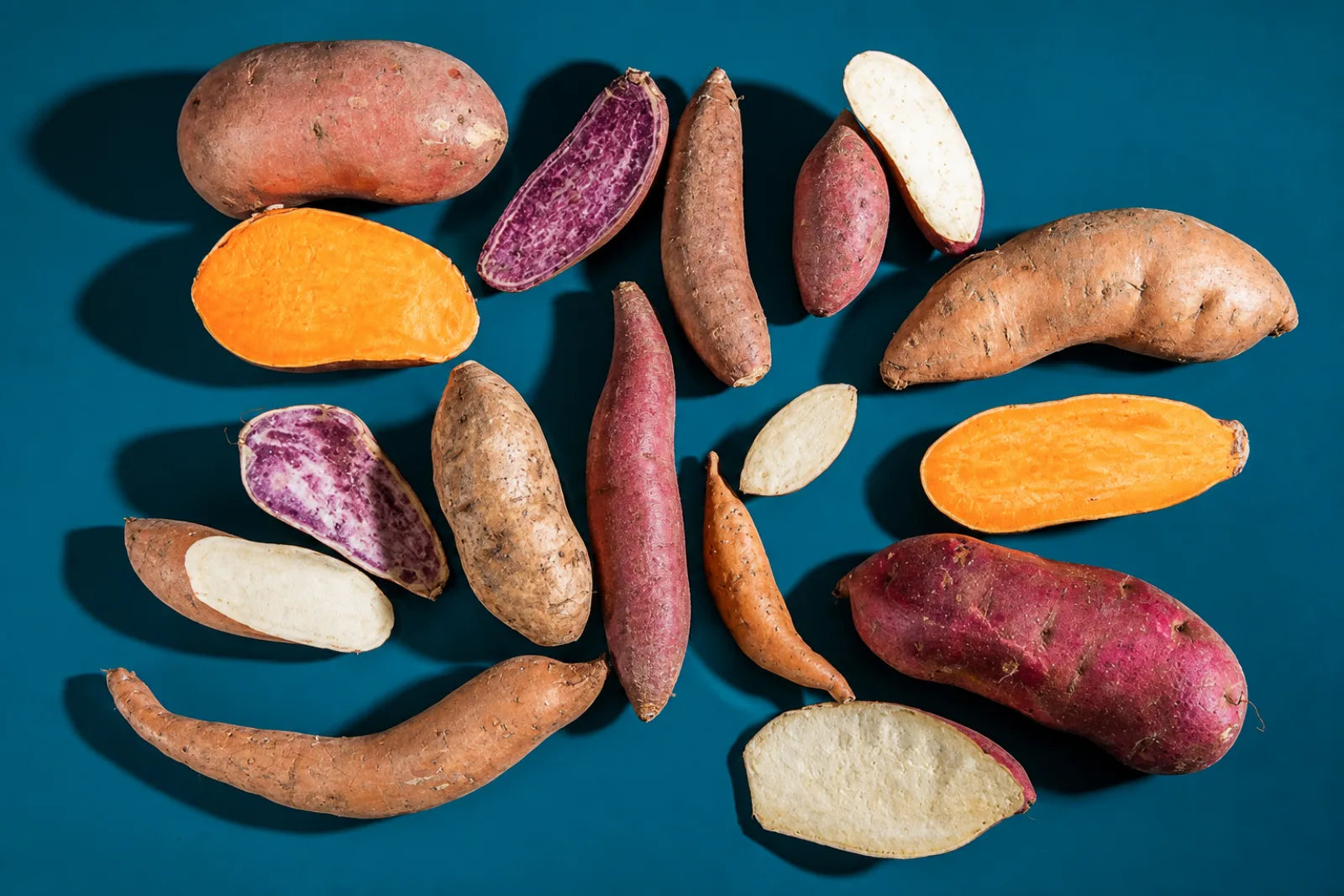
"Simple root. Serious nutrition."
According to WebMD, calamansi is an excellent source of vitamin C, antioxidants, and plant compounds that help strengthen the immune system, promote healthy skin, and protect the body from oxidative stress. Its antioxidant properties may also support heart health and reduce inflammation.
Healthline explains that citrus fruits such as calamansi contain flavonoids and vitamin C that contribute to improved immune function, collagen production, and overall cellular health. Regular consumption of vitamin C-rich fruits may also help protect against chronic diseases by reducing damage caused by free radicals.
Meanwhile, the Philippine Department of Agriculture recognizes calamansi as one of the country’s important fruit crops because of its nutritional value and versatility. Aside from being widely used in cooking and beverages, calamansi provides opportunities for developing value-added products that support local farmers and the food processing industry.
Brewed into our iced tea
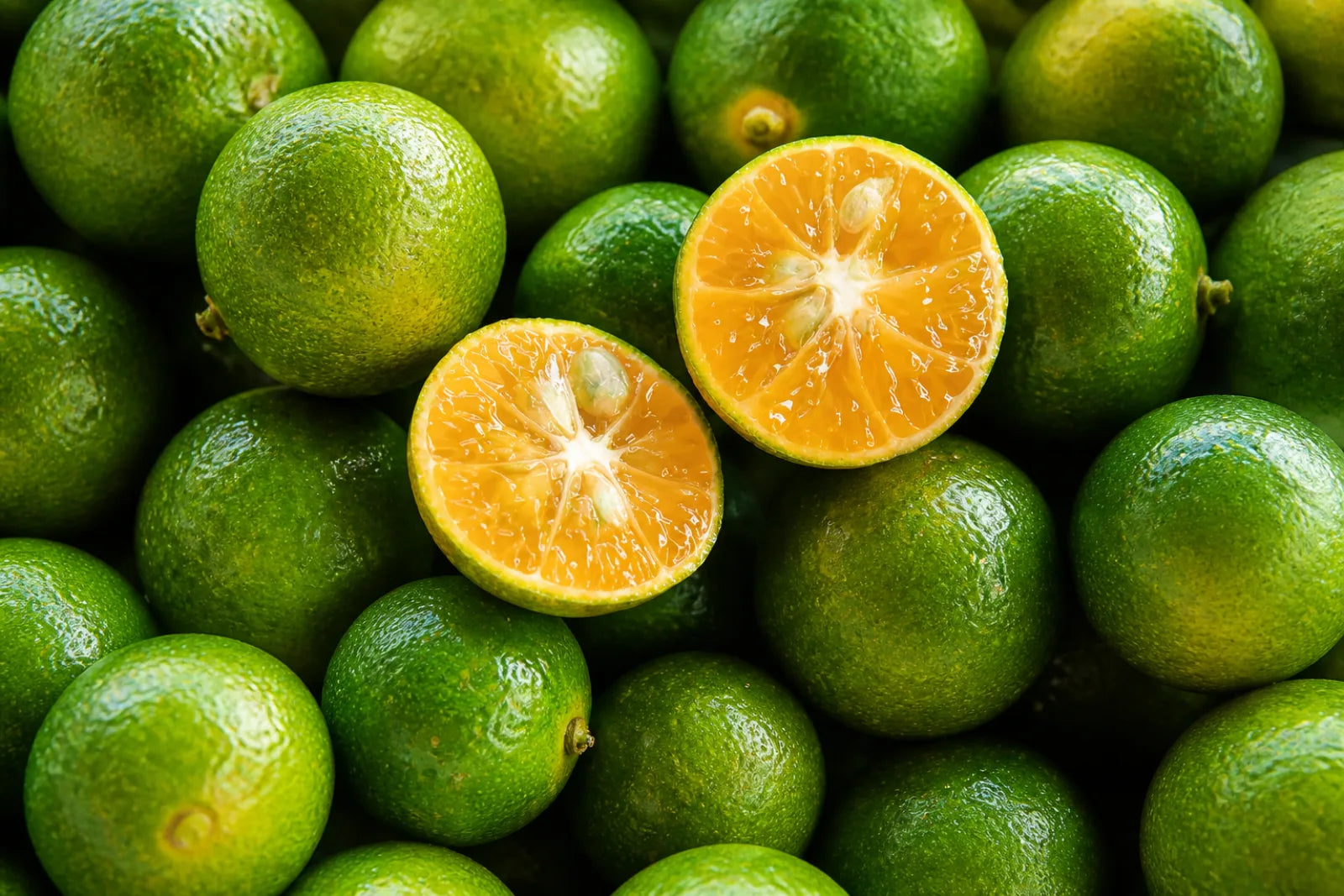
"One squeeze and the whole room wakes up."
According to the National Cancer Institute (NCI), guyabano (graviola) leaves contain natural compounds known as acetogenins, which have shown promising biological activity in laboratory studies. However, there is currently no sufficient clinical evidence proving that guyabano leaves can prevent or cure cancer in humans, and more scientific research is needed before such claims can be made.
WebMD explains that guyabano leaves are rich in antioxidants and plant compounds that may help reduce oxidative stress and inflammation. While traditional medicine has long used the leaves for various health purposes, many of the claimed medicinal benefits still require further human studies to establish their safety and effectiveness.
Healthline highlights that guyabano leaves contain flavonoids, phenolic compounds, and other antioxidants that may support immune health and help protect cells from free radical damage. Current evidence is largely based on laboratory and animal research, and additional clinical trials are necessary to confirm these potential health benefits in humans.
Harvested in Central Luzon
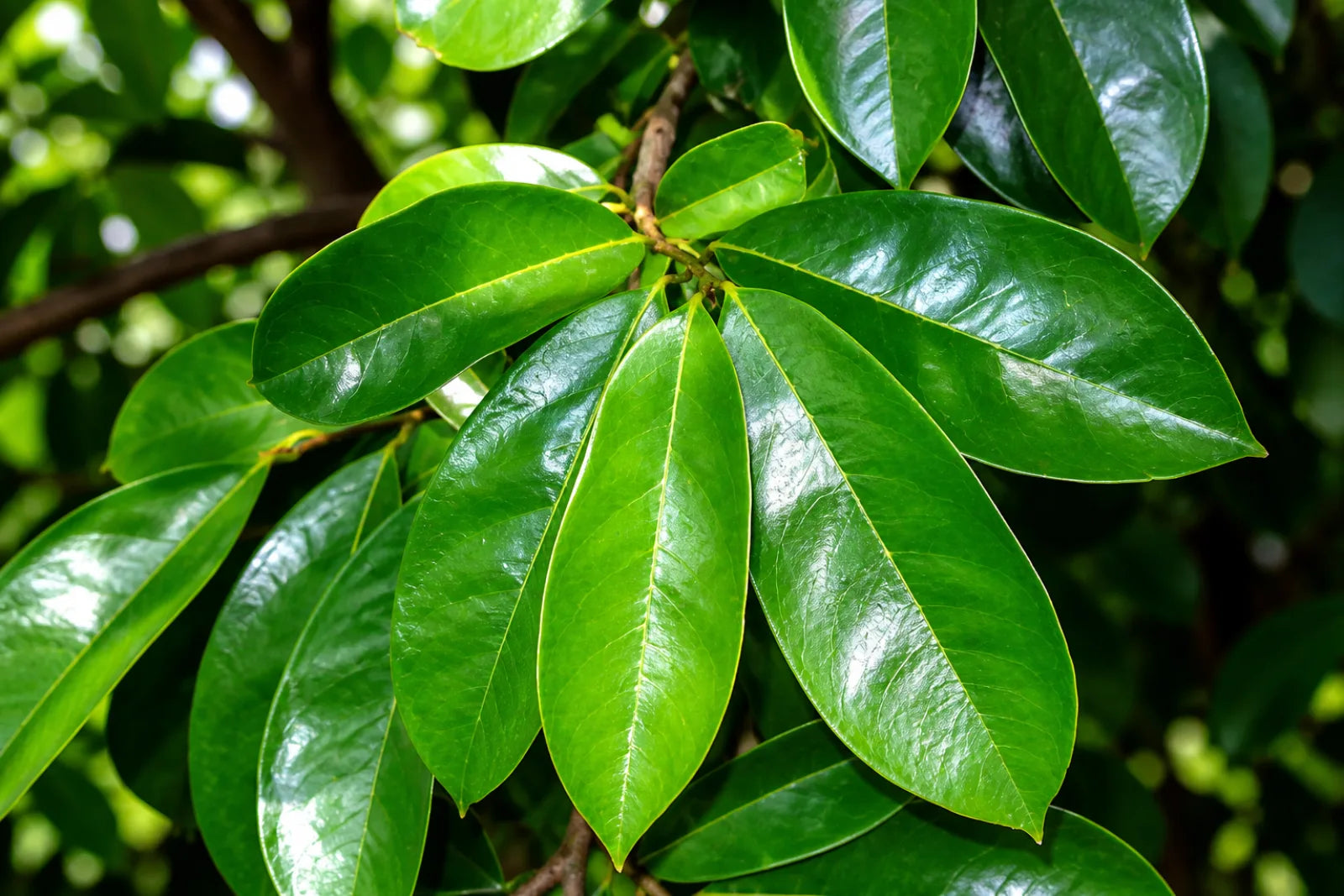
"Promising science. Responsible storytelling."
Kapeng Barako (Coffea liberica) is a distinctive coffee variety native to the Philippines and is primarily cultivated in Batangas and Cavite. It is known for its bold aroma, strong flavor, and larger coffee beans compared to the more common Arabica and Robusta varieties. Beyond its cultural and economic significance, Kapeng Barako has gained increasing attention because of its rich nutritional composition and abundance of naturally occurring bioactive compounds.
Research has shown that Kapeng Barako contains caffeine, chlorogenic acids, polyphenols, and other antioxidants that contribute to its potential health benefits. Chlorogenic acids are among the major antioxidant compounds found in coffee and have been associated with reducing oxidative stress, protecting cells from free radical damage, and supporting overall health. These compounds may also help regulate glucose metabolism and reduce inflammation, making coffee a promising functional beverage when consumed in moderation.
Studies also suggest that moderate coffee consumption may contribute to improved cognitive function, increased alertness, and enhanced physical performance due to its caffeine content. Coffee antioxidants have been linked to a lower risk of certain chronic diseases, including type 2 diabetes, cardiovascular disease, and some neurodegenerative disorders. Researchers emphasize that moderation remains important to avoid excessive caffeine intake.
As one of the Philippines’ unique coffee varieties, Kapeng Barako also plays a significant role in preserving local agricultural heritage and supporting the livelihood of Filipino coffee farmers. Its distinct flavor profile and high market value have encouraged specialty coffee products and value-added innovations across the Philippine coffee industry.
Proudly Philippine Barako

"Bold enough to be called Barako."
We believe you should know where your food comes from. Every bag of Orich connects you directly to the Philippine farms behind it, a commitment we’ve lived by since day one.
Taste the Crunch →